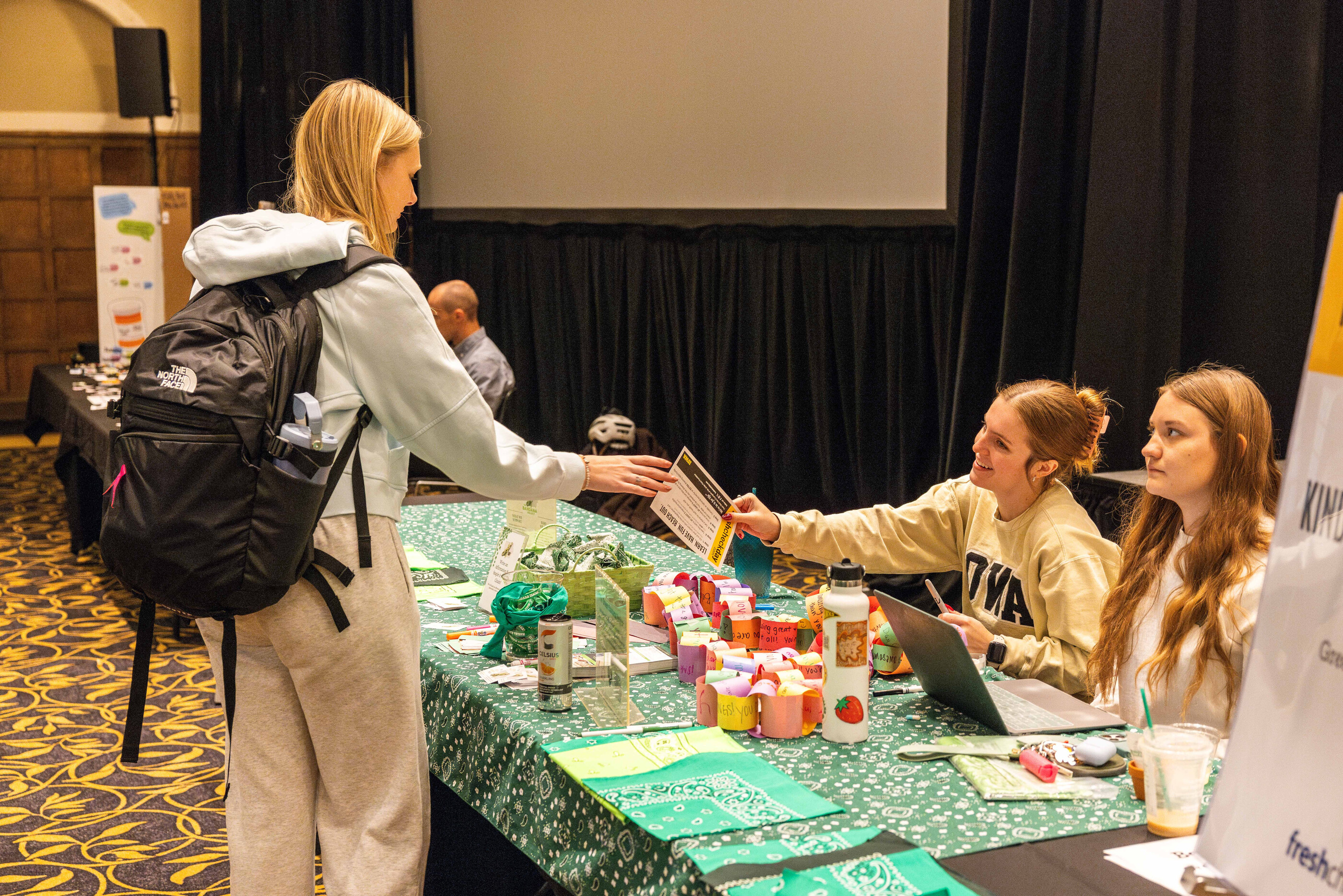
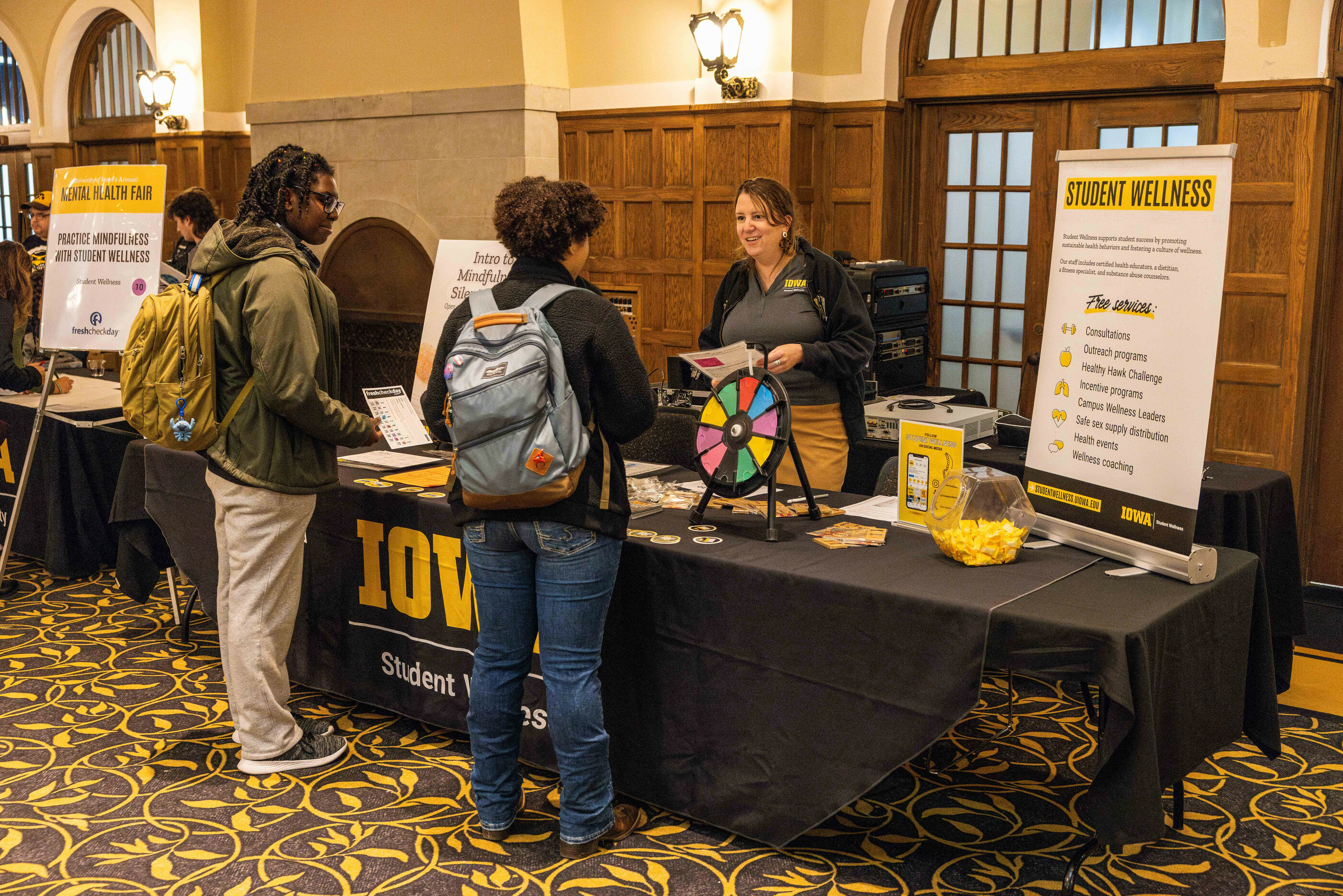
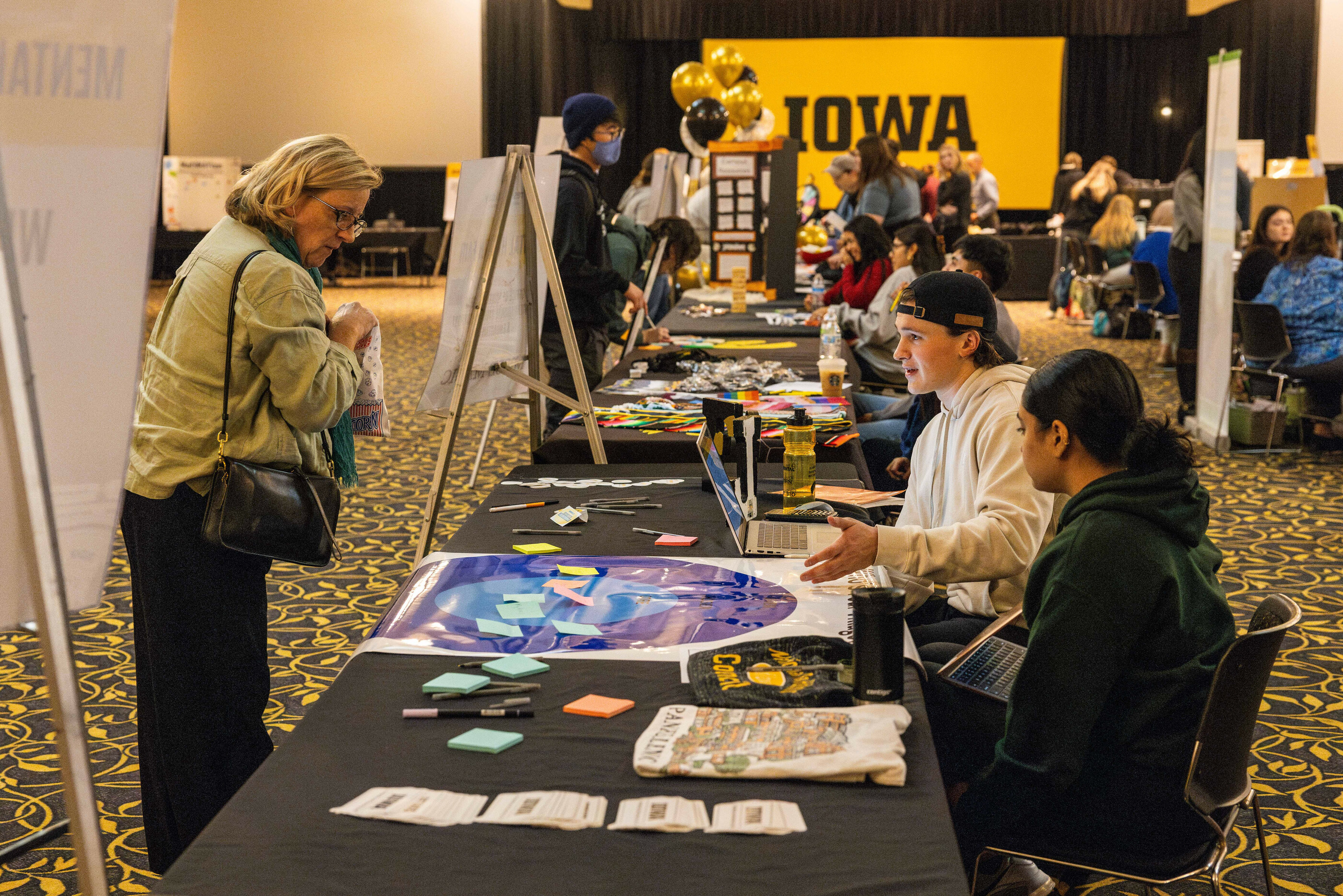
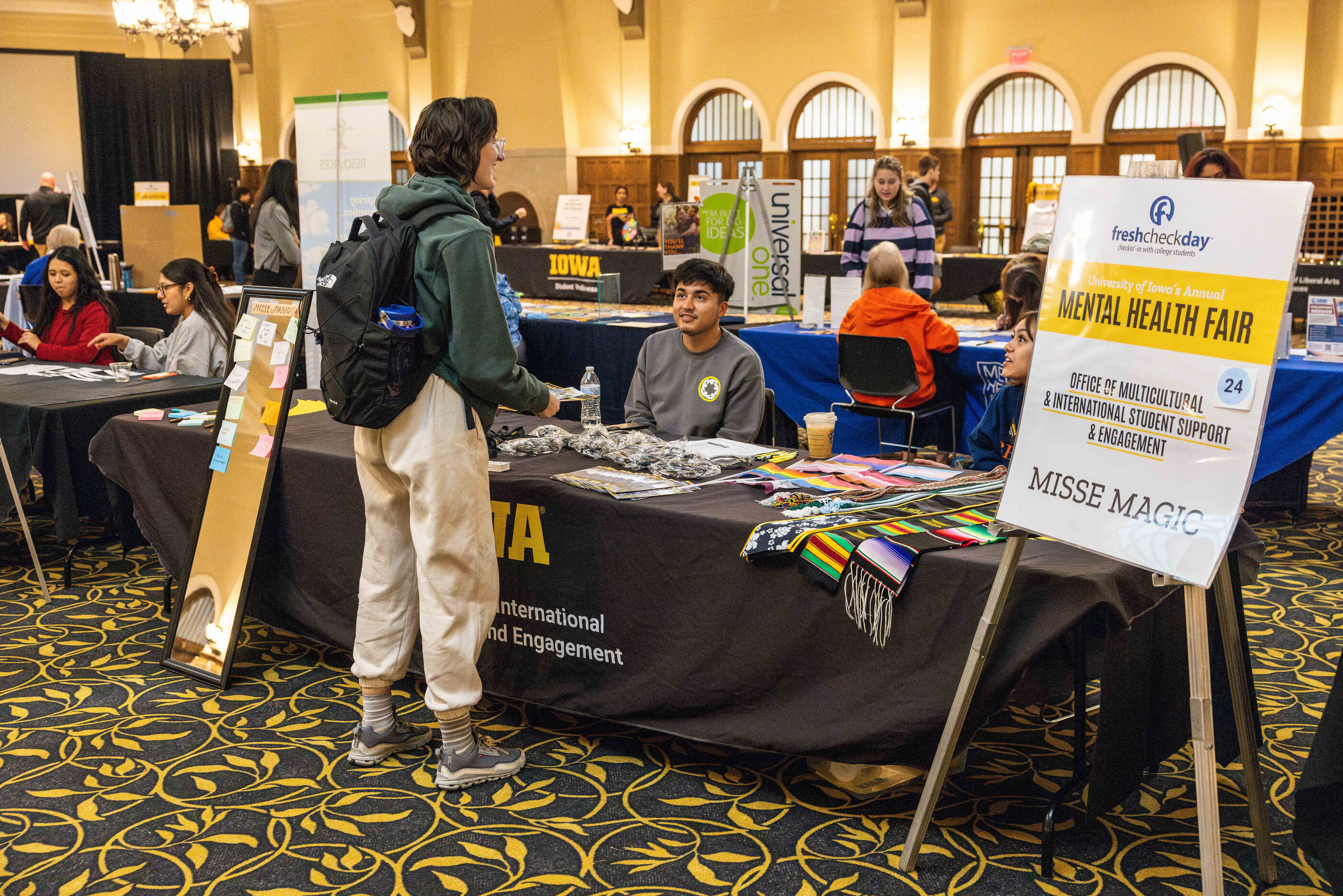
Universities across the nation recognize the growing need for robust mental health support systems for students.The University of Iowa continues to innovate, offering a comprehensive suite of services designed to foster emotional well-being, prevent crises, and promote resilience.
Among many initiatives, our use of hope boxes—both physical and virtual—has emerged as a powerful tool in suicide prevention and emotional support.
2024-2025 Impact Report
This article is part of the Division of Student Life Impact Report. Click here to view all articles from this report.
A culture of care and prevention
At the heart of the University of Iowa’s mental health strategy is the Suicide Prevention Coalition (SPC), a multidisciplinary group led by the University Counseling Service. The coalition includes faculty, staff, and student representatives from key departments across campus. Its mission is to create a comprehensive, sustainable, research-driven, and culturally informed approach to suicide prevention. The SPC meets monthly to implement strategic tactics focused on research, training, intervention programs, and postvention care.
The coalition’s work is grounded in fostering a sense of belonging, reducing stigma around mental health, and cultivating collective hope. This ethos is reflected in the development and promotion of hope boxes, which serve as tangible reminders of reasons to live and sources of comfort during times of distress.
What Is a hope box?
A hope box is a personalized collection of items that help individuals cope during moments of emotional crisis. Traditionally, these boxes contain physical objects such as:
- Photos of loved ones
- Inspirational quotes or letters
- Small sensory items (e.g., stress balls, scented candles)
- Mementos from positive experiences
- Coping cards with strategies for managing anxiety or depression
The University of Iowa has expanded this concept by offering a virtual hope box, accessible to students online. The digital version includes curated articles, videos, and interactive tools guiding students through emotional regulation techniques and mindfulness exercises.
Because of this box, [our student] is alive and well, opening up to us about what he needs, and willing to seek the support he deserves. We attribute these outcomes directly to the fact that he had access to a hope box.
- A letter from an appreciative family member
Why hope boxes matter
Hope boxes are grounded in cognitive-behavioral therapy principles and are used to interrupt negative thought patterns. They provide immediate, accessible relief and serve as a proactive suicide prevention strategy. For students feeling overwhelmed, isolated, or hopeless, a hope box can be a lifeline—a reminder of their strengths, support systems, and reasons to keep going.
The University of Iowa’s virtual hope box is particularly impactful because it removes barriers to access. Students can engage with it anytime, anywhere, making it a versatile tool for both crisis moments and ongoing emotional maintenance.
After working with partners across campus to offer hope boxes in spring 2025, the impact is already evident. Over 450 of the physical boxes were distributed, with plans to offer thousands in the 2025-26 academic year
24/7 crisis support
In addition to hope boxes, the University of Iowa offers round-the-clock crisis support through the UI Support and Crisis Line. This service is available via phone, text, or chat at 844-461-5420, in partnership with CommUnity Crisis Services in Iowa City. It ensures that students, faculty, staff, and postdocs have access to immediate help whenever they need it.
39.3%
of undergraduate students reported using a mental health service in the last 12 months.
73.6%
of undergraduate students state procrastination as their top source of stress.
For more urgent situations, students can also call 911 or the 988 Suicide and Crisis Lifeline, which connects them to a national network of crisis centers offering free and confidential emotional support. Students, faculty, and staff can also call Johnson County Mobile Crisis for in-person response to provide support and guidance during times of distress.
Mental health services
Beyond crisis intervention, we provide ongoing student mental health care through both University Counseling Service and Student Health Service. This includes access to psychiatrists, therapists, primary care physicians, physician assistants, and registered nurses who specialize in behavioral and medication management for mental health conditions.
Students can schedule appointments for issues ranging from anxiety and depression to more complex psychiatric needs.
Providing a virtual community
In the 2024-25 academic year, the university launched a partnership with Togetherall, an online community where students can share their thoughts and feelings anonymously and safely with peers around the U.S and abroad.
The platform provides a supportive peer environment with continuous supervision by licensed mental health professionals. The platform is available for all University of Iowa undergraduate, graduate, and professional students.
A student-centered approach
What makes the University of Iowa’s mental health strategy particularly effective is its student-centered design. Representatives from the Undergraduate Student Government and Graduate and Professional Student Government actively participate in the Suicide Prevention Coalition, ensuring that student voices shape the programs and policies that affect them.
This collaborative model fosters trust and relevance, making students more likely to engage with the resources available to them.
A culture of care
Mental health support at the University of Iowa is not just about treating illness—it’s about cultivating wellness. Through initiatives like the Suicide Prevention Coalition, 24/7 crisis support, clinical care, and the creative use of hope boxes, the University is setting a standard for what compassionate, comprehensive student support can look like.
For students navigating the complexities of college life, these resources offer more than just help—they offer hope.
Behind the design

"In my role in SLC, I worked with the Suicide Prevention Coalition to design a vibrant, welcoming package. For the hope box, I focused on creating a bright design with bold shapes, color, and the message 'keep going.' I’m grateful my design was ultimately selected and even more thankful for the positive impact it has had on students seeking support."